Padel is a fast-paced, strategic and incredibly fun sport—but like in any racquet game, your choice of racket matters. One of the questions many women ask when they’re starting out or improving is:
“Can or should I use a men’s padel racket?”
The short answer? Yes, if it works for you.
But let’s dig into what really matters when choosing a racket—and why labels like “men’s” or “women’s” might not be as important as you think.
Is There Really a Difference Between Men’s and Women’s Padel Rackets?
Technically, there are no official gendered padel rackets. However, brands often design certain models with typical physical and playing characteristics in mind:
| Feature | Men’s Rackets | Women’s Rackets |
|---|---|---|
| Weight | 375–400g (heavier) | 340–370g (lighter) |
| Balance | High balance (weight toward the head) | Lower balance (more maneuverable) |
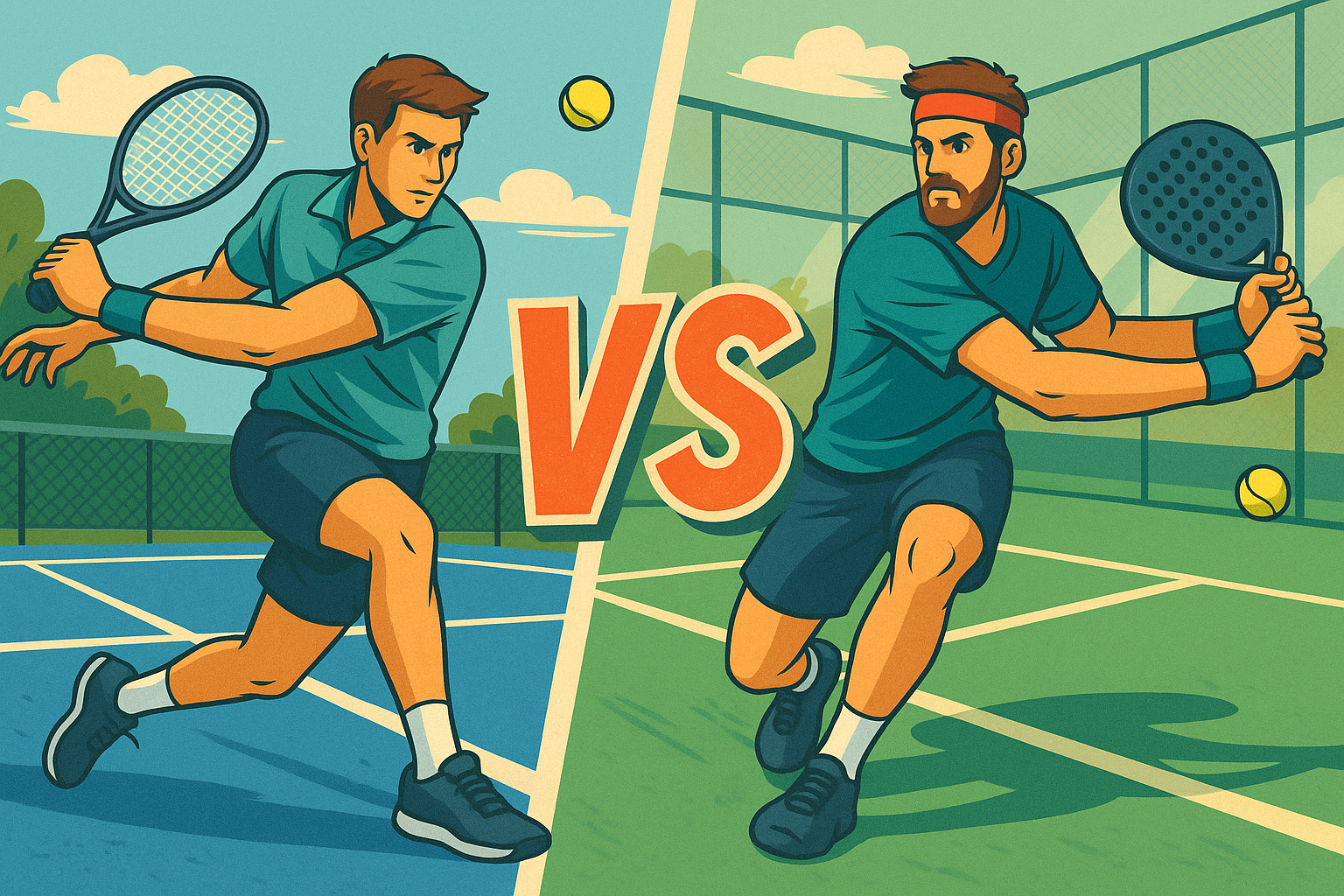
| Shape | Diamond or teardrop (more power) | Round (more control, bigger sweet spot) |
These differences are based on averages—not hard rules. Many rackets are unisex, and plenty of women play with "men’s" rackets and vice versa.
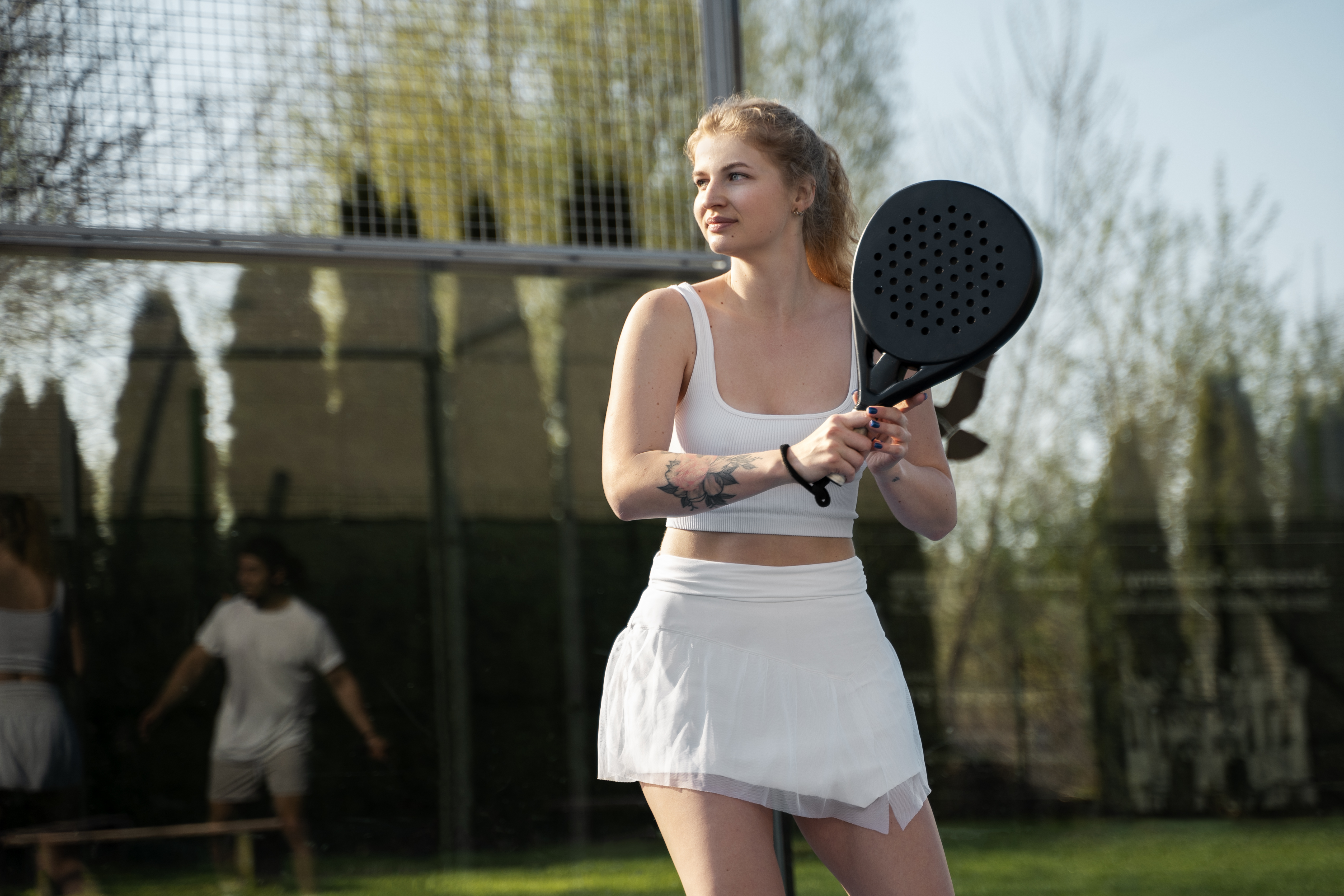
Can Women Use Men’s Padel Rackets?
Absolutely. It all depends on:
Your strength and fitness level
Your playing style
Your personal comfort and preference
Some women love the extra power and weight of a “men’s” racket. Others find that a lighter model gives them better control, especially in long matches or fast exchanges.
What to Consider When Choosing Your Racket
Here are the key factors to keep in mind, regardless of the label on the racket:
1. Physical Strength
If you’re strong and athletic, a heavier racket (375g+) might give you more power on smashes and volleys.
If your arm gets tired quickly, or you’ve had shoulder/elbow issues, a lighter racket (under 360g) will be easier to handle.
2. Playing Style
Aggressive and attacking players might prefer a diamond-shaped racket with high balance.
Control-based or defensive players may benefit from a round racket with a larger sweet spot.
Not sure about your style yet? Start with a round racket and move to more aggressive shapes as your technique evolves.
3. Experience Level
Beginners usually feel more comfortable with lighter, round rackets.
As your technique improves, you might gradually shift toward heavier or more powerful rackets if it fits your game.
Should You Try a Men’s Racket?
If you’re curious, go ahead and test one. Try rackets from friends, coaches, or club demos. Focus on how it feels after 30 minutes—not just the first 3 shots.
Here’s what to notice:
Do you feel in control or off-balance?
Does your arm or wrist get tired quickly?
Are your shots clean and consistent, or is your timing off?
Trying a few rackets is the best way to figure out what works for your body, not your gender.
Frequently Asked Questions (FAQs)
Are there any rules about women using men’s padel rackets?
No. Padel has no gender-based racket restrictions. You can use any racket you’re comfortable with.
Will a men’s racket make me hit harder?
Maybe—but not necessarily. Heavier rackets can help with power, but only if you can control them. If your technique isn’t solid, a heavy racket might reduce your performance instead of improving it.
What matters most when picking a padel racket?
Focus on:
Comfort in your hand
Control over your shots
Power that feels natural, not forced
If the racket helps you play better and avoid injury, it’s the right one—no matter who it’s marketed to.
Final Thoughts: Play with What Works for You
Don’t let labels like “men’s” or “women’s” dictate your choice. The best padel racket is the one that:
Feels good in your hand
Matches your playing style
Helps you improve and enjoy the game
So go ahead—try a heavier model, test a diamond shape, experiment with balance. The more you play, the more you'll understand what works best for you.
The court doesn’t care what label is on your racket. Only your performance matters.
 Argentina
 Australia
 Austria
 Belgium
 Brazil
 Canada
 Chile
Chile Colombia
 España
 France
 Germany
 Ireland
 Italy
Italy México
 Netherlands
 New Zealand
 Portugal
 Switzerland
 United Arab Emirates
 United Kingdom
 United States
 Uruguay